



SCOOPERS & SHOVELS FAQs
SCOOPERS & SHOVELS FAQs
1. What are scoops used for?
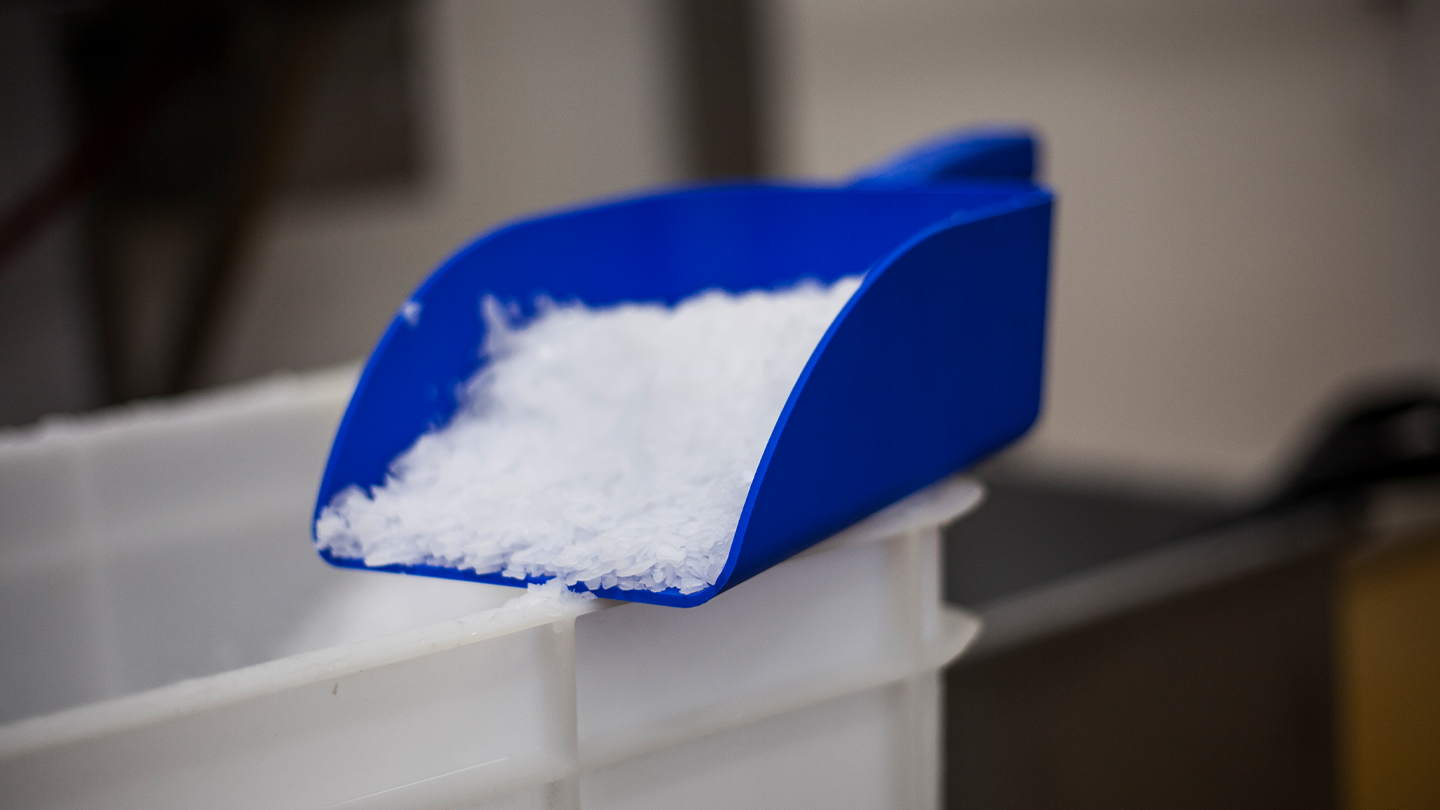
Scoops are tools used to measure, portion, transfer, and serve dry and semi-dry ingredients such as flour, grains, spices, sugar, pulses, ice, and bulk powders in kitchens and industrial settings.
2. Are these scoops suitable for commercial kitchens and food service environments?
Yes. These scoops are designed for professional kitchens, cloud kitchens, restaurants, bakeries, catering services, and food processing facilities where accurate portioning and efficient handling are needed.
3. What materials are the scoops made from?
Most scoops in this category are made from food-grade, BPA-free plastic or durable polymer that is lightweight, easy to clean, and long-lasting.
4. Can these scoops be used for both dry and wet ingredients?
Yes. They are versatile and can be used for dry ingredients (flour, sugar, grains) as well as semi-wet materials like mashed potatoes, dough portions, or ice.
5. Are measurement markings included on the scoops?
Some scoops include measurement indicator markings to help with portion control and consistency. Always check the product description for specific details.
6. Are these scoops easy to clean and maintain?
Yes. The smooth surface of the scoops makes them easy to rinse, wash with detergent, and sanitize when needed.
7. Can these scoops be used in food processing and industrial environments?
Yes. They are suitable for food processing units, bulk storage areas, and industrial kitchens where frequent scooping and portioning are required.
8. Are these scoops safe for food contact surfaces?
Yes, they are made from food-grade, non-toxic materials intended for direct contact with food.
9. How do I choose the right scoop size?
Choose based on the ingredient quantity you handle most often. Smaller scoops are ideal for spices and portions, while larger scoops work well for bulk flour, grains, and ice.
10. Do you offer bulk or commercial pricing for these scoops?
Yes — bulk quantities and commercial pricing options are available for restaurants, food service facilities, catering companies, and industrial buyers.
11. Can FBK scoops be sanitized, autoclaved, or used in high-hygiene environments?
Yes. FBK tools are manufactured from high-quality Polyester (PBT) and Polypropylene, making them suitable for environments where microbial control is critical, such as food processing and pharmaceutical facilities.
• Heat tolerance: −30°C up to 134°C
• Autoclave & sterilization: Safe at 121°C or 134°C for complete thermal disinfection to eliminate bacteria and pathogens
• Dishwasher safe: Yes, enabling convenient daily sanitization and maintenance.
12. How do I choose the right scoop based on application?
The most effective way to select a scoop is to identify the area of application and the soil or material type involved:
• Food Processing / Cloud Kitchens: Prioritize tools with HACCP, FEIBP, and PHB certifications and color-coding to prevent cross-contamination.
• Heavy Industrial / Warehouses: Choose scoops with industrial-grade plastic construction and reinforced strength suitable for handling bulk powders, grains, or heavy materials.
• Wet / Washdown Zones: Use washdown-safe tools designed to withstand frequent exposure to water and cleaning processes.
13. Why is color-coding required in the commercial cleaning and food industry?
Color-coding is an established industrial hygiene standard used to prevent cross-contamination between operational zones such as raw food handling, cooked food preparation, restrooms, and general facility cleaning areas.
Using dedicated color-coded tools improves food safety compliance, hygiene control, traceability, and audit readiness across commercial kitchens, food processing plants, healthcare facilities, and industrial environments.
__________________________________________________________________________________
1. What are these shovels used for?
These shovels are versatile tools used for moving bulk materials like soil, gravel, sand, debris, waste, snow, and other heavy loads in commercial, industrial, outdoor, and facility maintenance settings.
2. Are these shovels suitable for commercial and industrial use?
Yes. These shovels are built from durable materials and designed to withstand heavy-duty use in construction sites, warehouses, farms, landscaping, factories, and other industrial environments.
3. What types of surfaces and materials can these shovels be used on?
They are suitable for loose soil, gravel, sand, mulch, debris pile collection, waste cleanup, and even snow removal on pavements and outdoor surfaces.
4. What materials are the shovel blades and handles made from?
The shovel blades are typically made from heavy-duty steel or reinforced plastic, and the handles are strong, ergonomic, and designed for long-term use without bending or breaking.
5. Are the handles ergonomic and comfortable to use?
Yes, many of the shovels feature ergonomic handles to reduce strain during extended use. Some models include grip handles or cushioned grips for better comfort.
6. Can these shovels be used in commercial kitchens or indoor spaces?
Although primarily for outdoor and heavy-duty tasks, some shovel models can be used for indoor cleanup in large industrial kitchens, storage areas, or facilities where bulk waste or debris need moving.
7. How do I maintain and care for these shovels?
Clean them after use to remove soil or debris, rinse with water if needed, dry thoroughly to prevent rust, and store in a dry area to prolong lifespan.
8. Are these shovels suitable for landscaping work?
Yes. These tools are commonly used for landscaping tasks like digging, planting, moving soil, and general ground maintenance.
9. Can these shovels handle heavy materials like gravel and sand?
Yes. They are built to handle heavy materials efficiently without the blade bending or breaking.
10. Do you offer bulk or commercial pricing for businesses?
Yes — bulk and commercial pricing options are available for construction companies, cleaning contractors, facilities managers, farms, and industrial buyers.
11. Can FBK shovels be sanitized, autoclaved, or used in high-hygiene environments?
Yes. FBK tools are manufactured from high-quality Polyester (PBT) and Polypropylene components where applicable, making them suitable for environments where microbial control is critical, such as food processing and pharmaceutical facilities.
• Heat tolerance: −30°C up to 134°C
• Autoclave & sterilization: Safe at 121°C or 134°C for complete thermal disinfection to eliminate bacteria and pathogens (for compatible polymer components)
• Dishwasher safe: Applicable for polymer-based parts used in hygienic environments.
12. How do I choose the right shovel based on application?
The most effective way to select a shovel is to identify the area of application and the material or soil type involved:
• Food Processing / Cloud Kitchens: Prioritize tools with HACCP, FEIBP, and PHB certifications and color-coding where hygienic material handling is required.
• Heavy Industrial / Warehouses: Choose shovels with industrial-grade reinforced blades and handles suitable for moving gravel, sand, debris, or bulk materials.
• Wet / Washdown Zones: Use washdown-safe tools designed to withstand frequent exposure to water, cleaning chemicals, and sanitation processes.
13. Why is color-coding required in the commercial cleaning and industrial material-handling environment?
Color-coding is an established industrial hygiene and workflow control standard used to prevent cross-contamination between operational zones such as raw material areas, processed zones, waste handling areas, restrooms, and general facility cleaning spaces.
Using dedicated color-coded tools improves hygiene control, safety compliance, operational segregation, and audit readiness across food processing plants, healthcare facilities, warehouses, and industrial environments.