

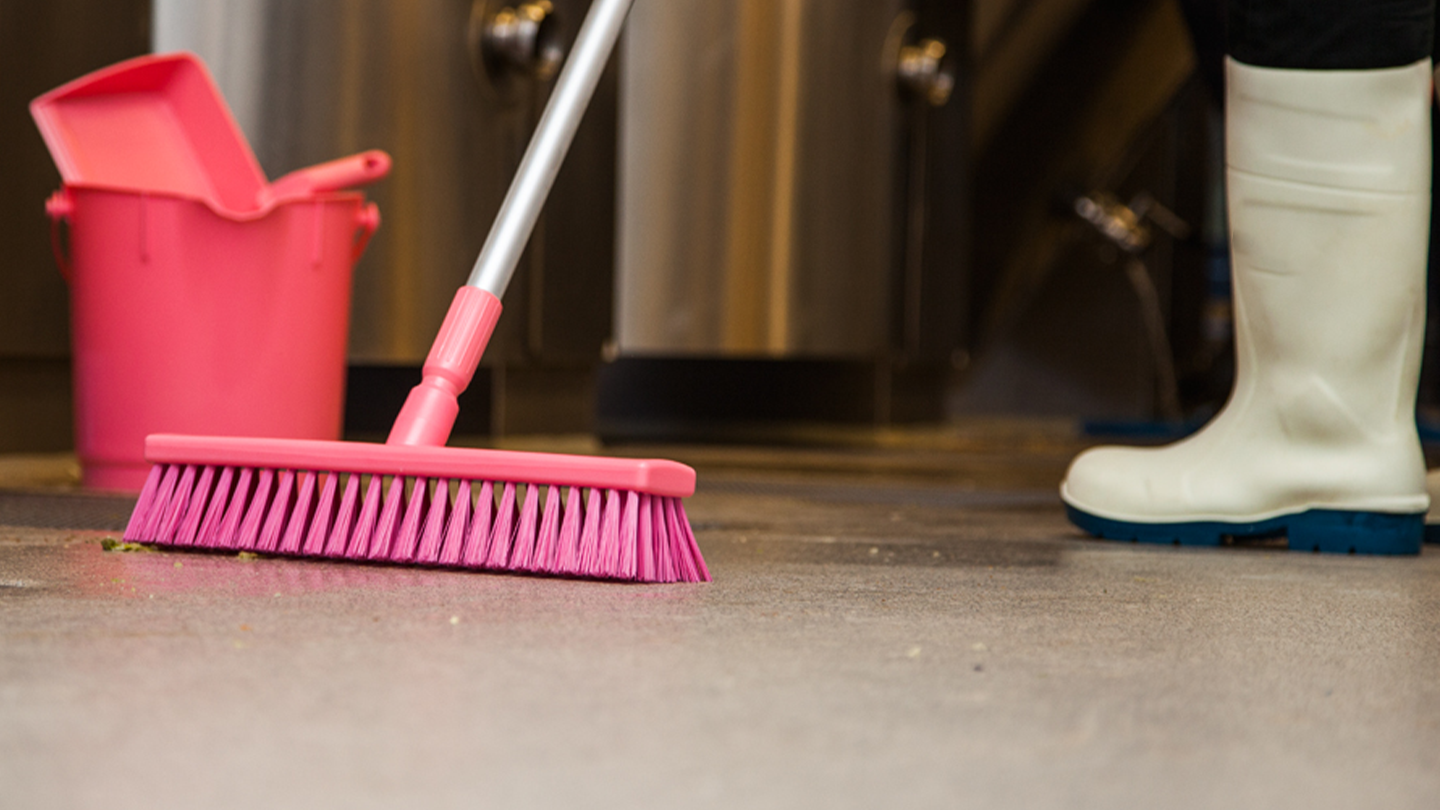


SWEEPERS & HANDLES FAQs
SWEEPERS & HANDLES FAQs
1. What are sweepers and handles used for?
Sweepers and handles are tools used to efficiently clean floors and surfaces by collecting dust, debris, and waste. They are ideal for commercial, industrial, and residential cleaning tasks.
2. Are these sweepers and handles suitable for commercial and industrial cleaning?
Yes, these products are designed for heavy-duty commercial use in restaurants, warehouses, factories, schools, hospitals, and other high-traffic environments.
3. What types of surfaces can these sweepers be used on?
They work well on hard surfaces such as concrete, tiles, wood floors, kitchen floors, garages, patios, and other flat surfaces where dust and debris accumulate.
4. Are these handles compatible with multiple sweeper heads?
Yes, many of the handles are designed to be versatile and compatible with different sweeper heads and cleaning attachments, making them suitable for a range of cleaning needs.
5. How durable are these sweepers and handles?
These are made from industrial-grade materials that resist bending, breaking, and wear, even with frequent use in commercial and industrial settings.
6. Can sweepers be used for wet and dry cleaning?
Yes. Depending on the sweeper model, they can handle dry debris as well as light wet messes, making them versatile cleaning tools.
7. Are the handles ergonomic and easy to use?
Yes, the handles are designed for comfort and ease of use. They are lightweight yet sturdy, allowing long-duration use without discomfort.
8. Can these sweepers be used in kitchens and food service environments?
Yes, they can be used in commercial kitchens, food prep areas, and food service facilities to keep floors clean and hygienic when used with appropriate sanitization practices.
9. How do I clean and maintain these sweepers and handles?
After use, remove debris, rinse or wipe with mild detergent, and allow to dry. Store handles and sweeper heads in a dry, clean place to extend product life.
10. Do these products come in different sizes or configurations?
Yes, this category includes a variety of sweeper heads and handle options to suit different cleaning tasks and surface types.
11. Do you offer bulk or commercial pricing for businesses?
Yes — bulk pricing and commercial quantities are available for facilities, cleaning contractors, restaurants, offices, and other industrial buyers.
12. Can FBK sweepers and handles be sanitized, autoclaved, or used in high-hygiene environments?
Yes. FBK tools are manufactured from high-quality Polyester (PBT) and Polypropylene, making them suitable for environments where microbial control is critical, such as food processing and pharmaceutical facilities.
• Heat tolerance: −30°C up to 134°C
• Autoclave & sterilization: Safe at 121°C or 134°C for complete thermal disinfection to eliminate bacteria and pathogens
• Dishwasher safe: Yes, enabling convenient daily sanitization and maintenance.
13. How do I choose the right sweeper or handle based on application?
The most effective way to select a tool is to identify the area of application and the soil type involved:
• Food Processing / Cloud Kitchens: Prioritize tools with HACCP, FEIBP, and PHB certifications and color-coding to prevent cross-contamination.
• Heavy Industrial / Warehouses: Choose tools with industrial-grade plastic handles and reinforced construction for handling gravel, debris, or demanding cleaning tasks.
• Wet / Washdown Zones: Use industrial rubber squeegees or water-fed cleaning brushes that allow water to flow through the handle for efficient washdowns.
14. Why is color-coding required in the commercial cleaning industry?
Color-coding is an established industrial hygiene standard used to prevent cross-contamination between operational zones such as raw food handling areas, cooked food zones, restrooms, and general facility cleaning spaces.
Using dedicated color-coded cleaning tools improves food safety compliance, hygiene control, traceability, and audit readiness across commercial kitchens, food processing plants, healthcare facilities, and industrial environments.