



SPATULAS & SCRAPERS FAQs
SPATULAS & SCRAPERS FAQs
1. What are these spatulas and scrapers used for?
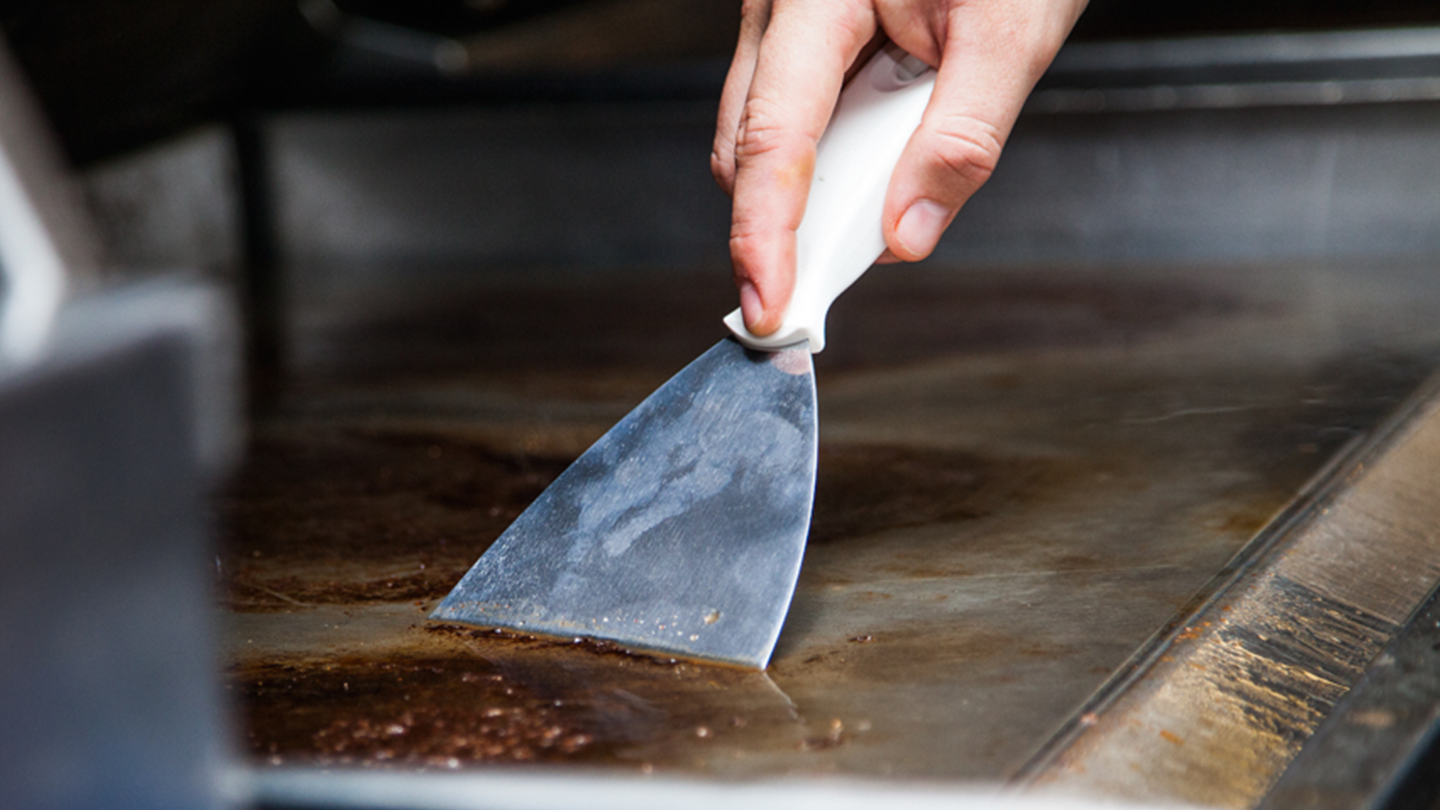
They are used for scraping, lifting, and cleaning food residue, batter, grease, and stuck-on materials from kitchen surfaces, equipment, and preparation areas.
2. Are these suitable for commercial kitchens and food industry use?
Yes, these spatulas and scrapers are designed for professional kitchens, cloud kitchens, bakeries, food processing units, and catering operations.
3. Are these tools safe for food contact?
Yes, they are made from food-grade materials suitable for direct food handling and preparation.
4. How are these different from regular household scrapers?
These are built with stronger edges and durable handles to withstand frequent, heavy-duty use in commercial and industrial environments.
5. Can these remove stubborn, dried-on food residues?
Yes, they are effective for removing dried batter, sauces, grease, and sticky residues without damaging hard surfaces.
6. Can these be used on stainless steel and tiled surfaces?
Yes, they are suitable for stainless steel, tiles, countertops, and other hard kitchen and food processing surfaces.
7. Are these tools suitable for cloud kitchens and franchise kitchens?
Yes, they are ideal for high-frequency cleaning and food preparation in cloud kitchens and multi-location franchise operations.
8. How should these spatulas and scrapers be cleaned and maintained?
Rinse after use, wash with mild detergent, sanitize if required, and allow them to air dry.
9. Can these be used in commercial cleaning outside kitchens?
Yes, they can also be used in commercial spaces such as bakeries, cafeterias, food factories, and utility areas.
10. Do you offer bulk quantities for commercial buyers?
Yes, bulk purchasing options are available for restaurants, food processing units, and commercial cleaning businesses.
11. Can FBK spatulas and scrapers be sanitized, autoclaved, or used in high-hygiene environments?
Yes. FBK tools are manufactured from high-quality Polyester (PBT) and Polypropylene, making them suitable for environments where microbial control is critical, such as food processing and pharmaceutical facilities.
• Heat tolerance: −30°C up to 134°C
• Autoclave & sterilization: Safe at 121°C or 134°C for complete thermal disinfection to eliminate bacteria and pathogens
• Dishwasher safe: Yes, enabling easy daily sanitization and maintenance.
12. How do I choose the right spatula or scraper based on application?
The most effective selection method is to identify the area of application and the soil type involved:
• Food Processing / Cloud Kitchens: Prioritize tools with HACCP, FEIBP, and PHB certifications and color-coding to prevent cross-contamination.
• Heavy Industrial / Warehouses: Choose tools with industrial-grade handles and reinforced blades for demanding scraping or debris-removal tasks.
• Wet / Washdown Zones: Use industrial rubber squeegees or water-fed cleaning tools that allow water flow through the handle for efficient washdowns.
13. Why is color-coding required in the commercial cleaning industry?
Color-coding is an established industrial hygiene standard used to prevent cross-contamination between different operational zones such as raw food handling areas, cooked food zones, restrooms, and general facility cleaning spaces.
Using dedicated color-coded tools improves food safety compliance, hygiene control, and audit readiness across commercial kitchens, food processing plants, healthcare facilities, and industrial environments.